How I got here
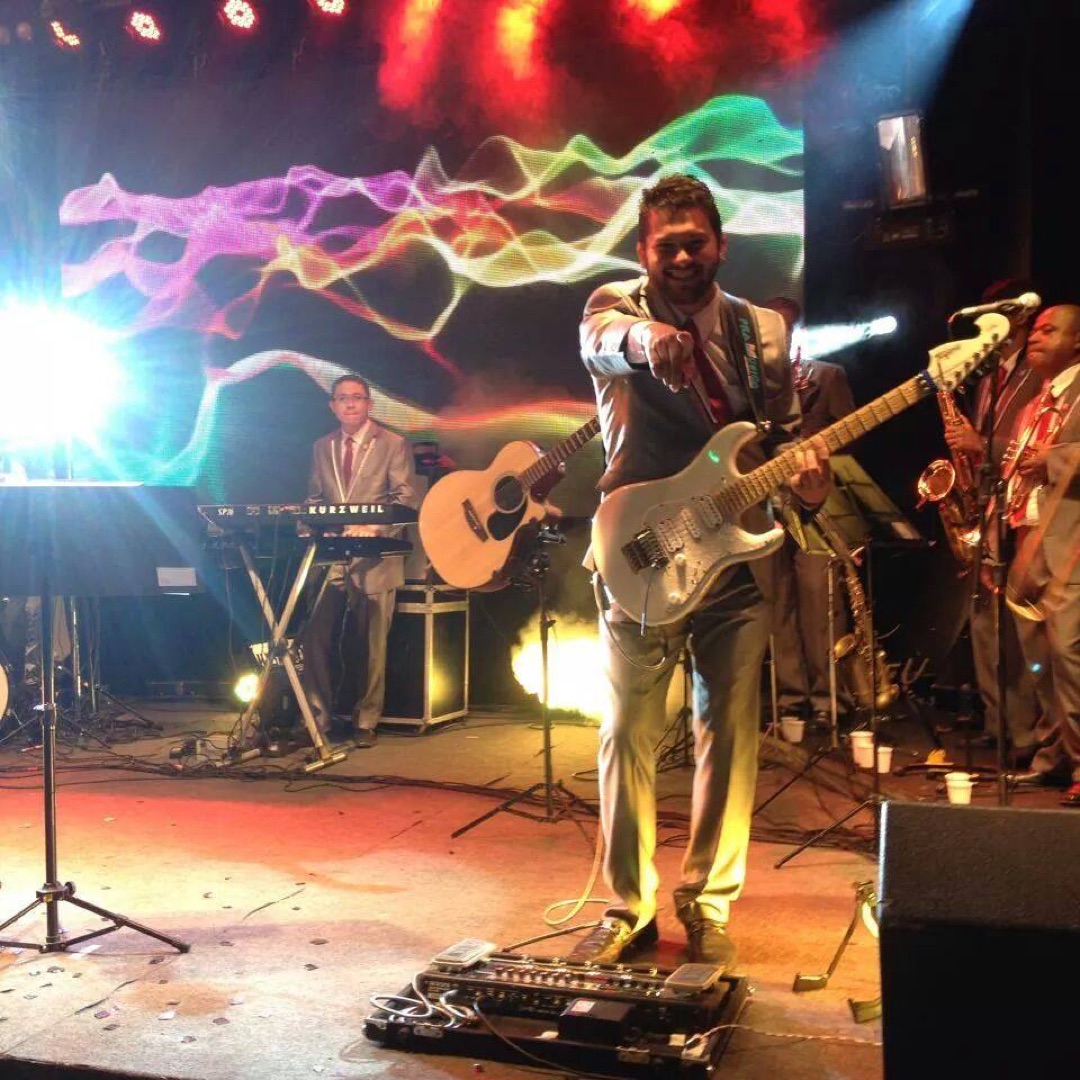
After twelve years of great dedication to music, I quit. Nevertheless, my devotion to Harmony — and to language held to a high standard — never ceased. It only evolved.

Music taught me two things I've used in every role since: how to break a complex pattern into pieces a beginner can actually grasp, and how to hear when something is off — and refuse to stop before it resolves.

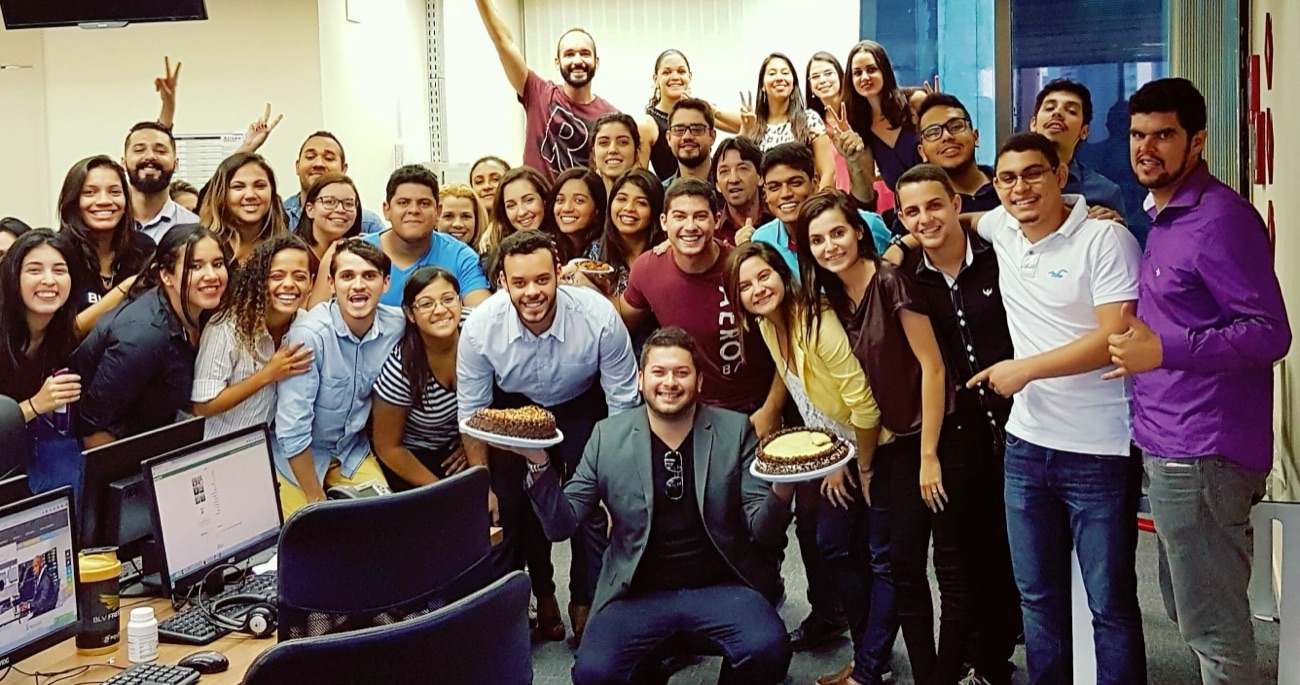
In 2015 I left for the corporate world — sales in Asia, then Managing Director of a 60-person marketing agency in Brazil serving online brokerages. Orchestration before I had the word for it: people, hiring, process, arranged to serve one outcome. I also watched operations run in deep dissonance — aggressive telemarketing, burnt-out teams, obsolete tools — and no one fixing it.
Between trading floors and copywriting desks, I rebuilt my relationship with language. I studied writing as a discipline — Strunk & White, Stephen King, Peterson, Schopenhauer — and learned the skill that mattered most later: how to specify intent in plain language, so that anyone — or anything — knows exactly what to do.

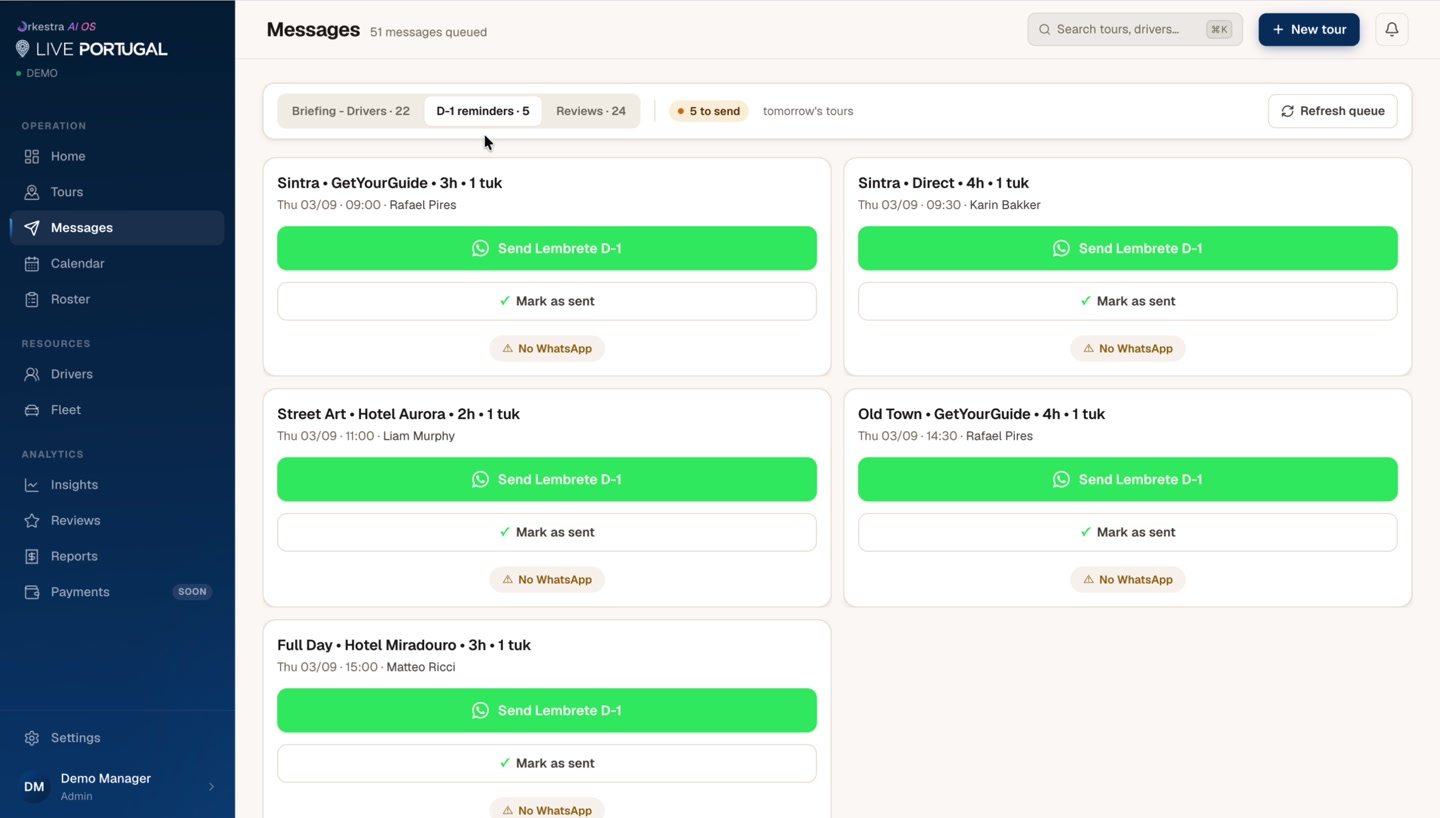
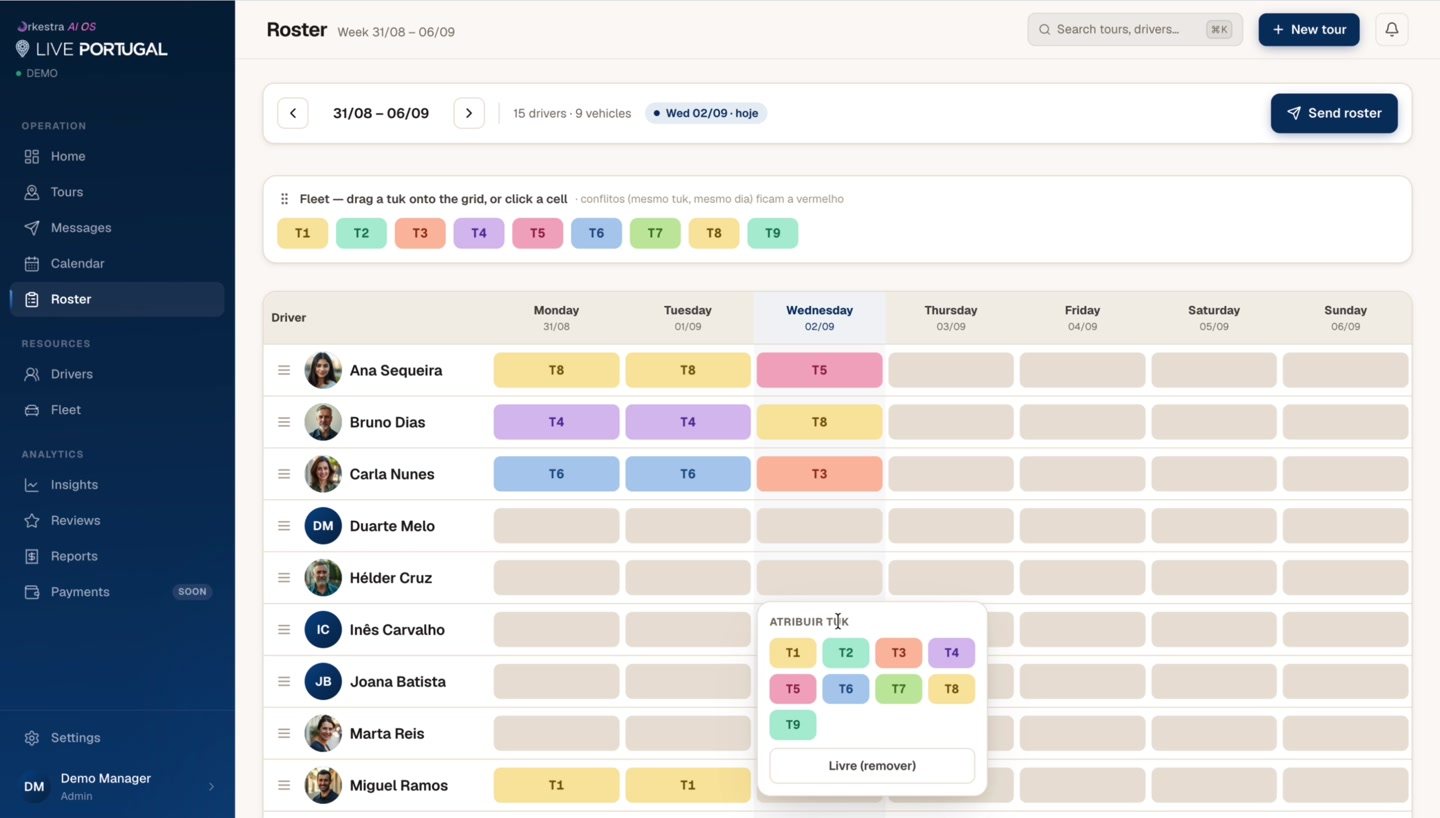
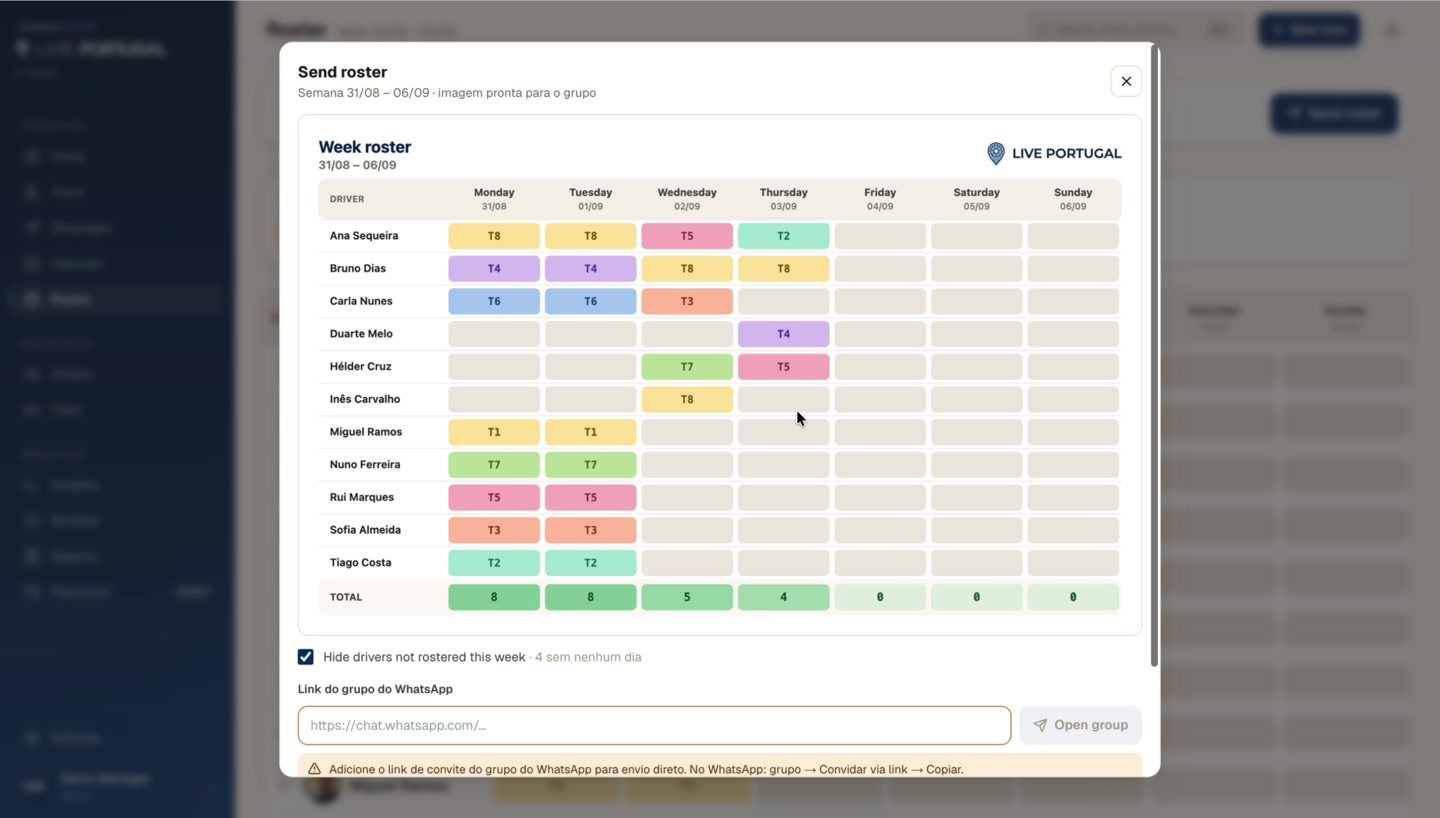
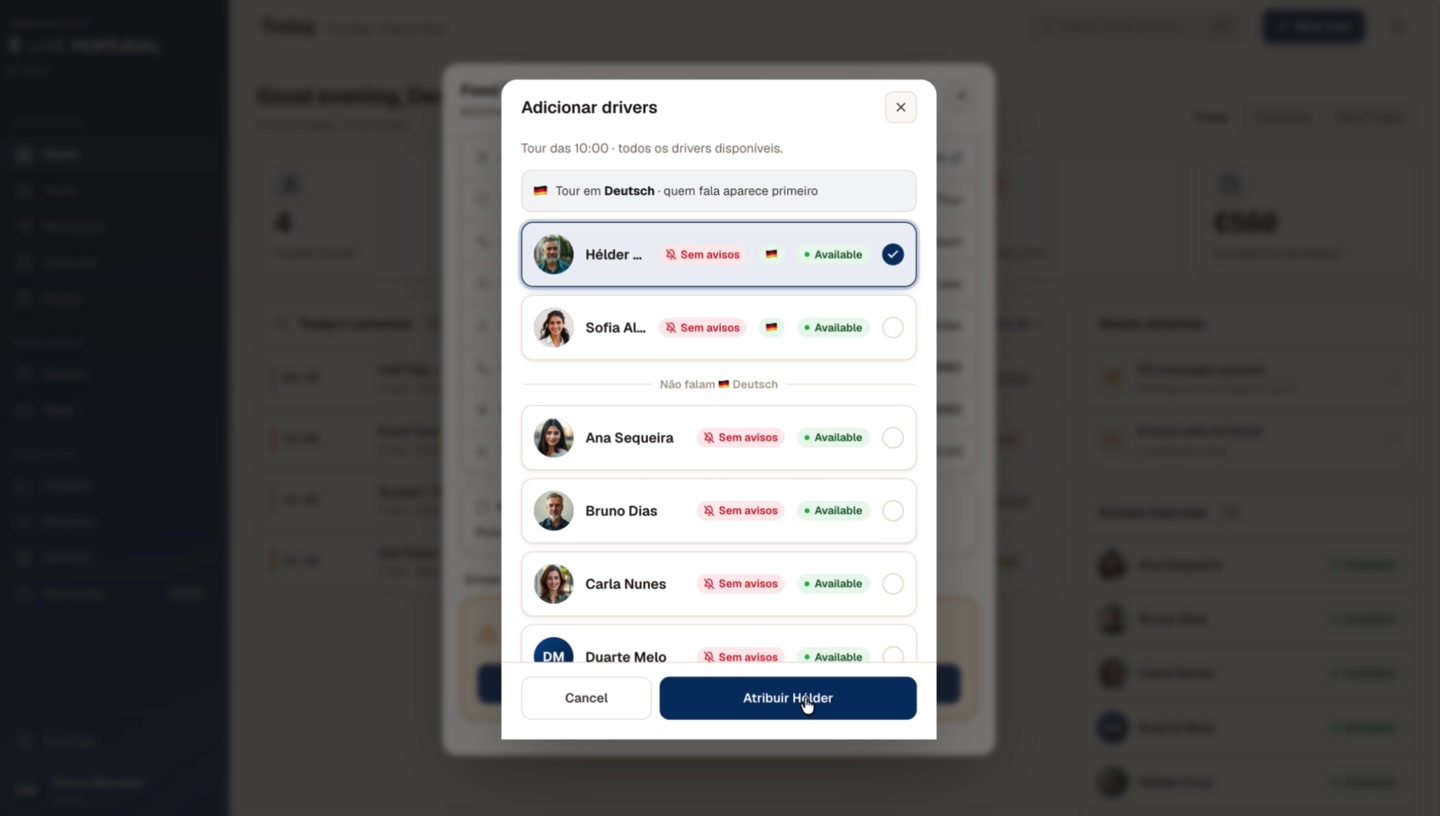
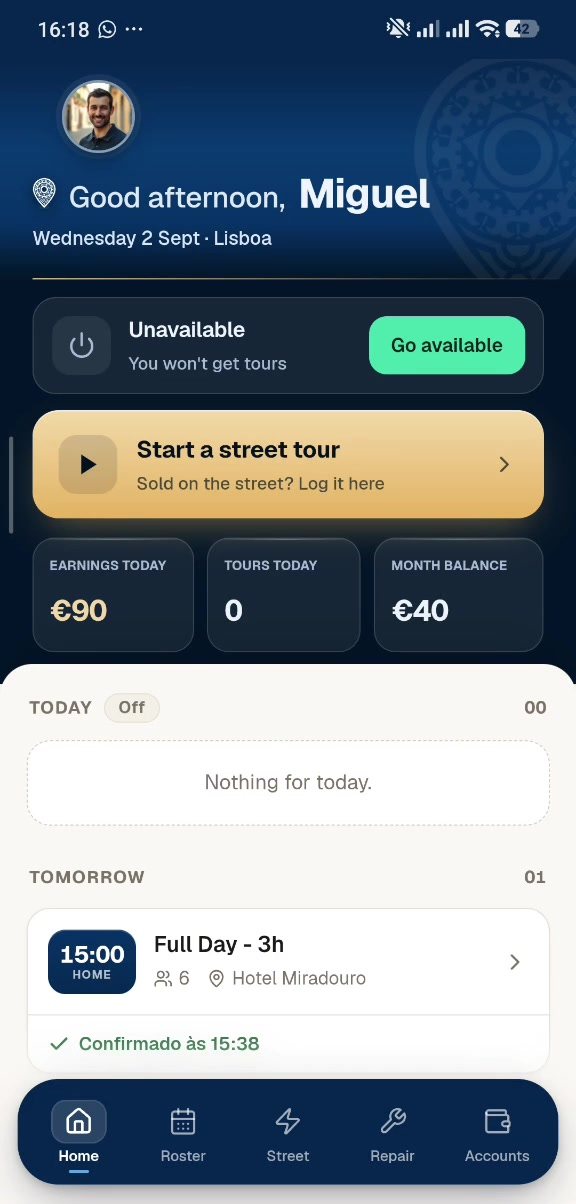
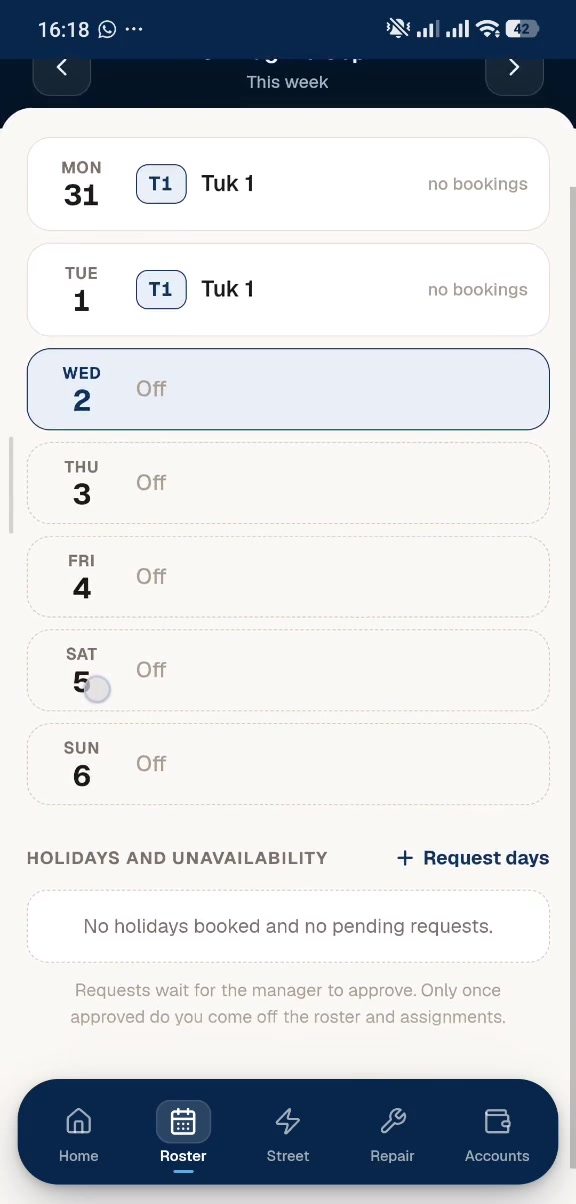
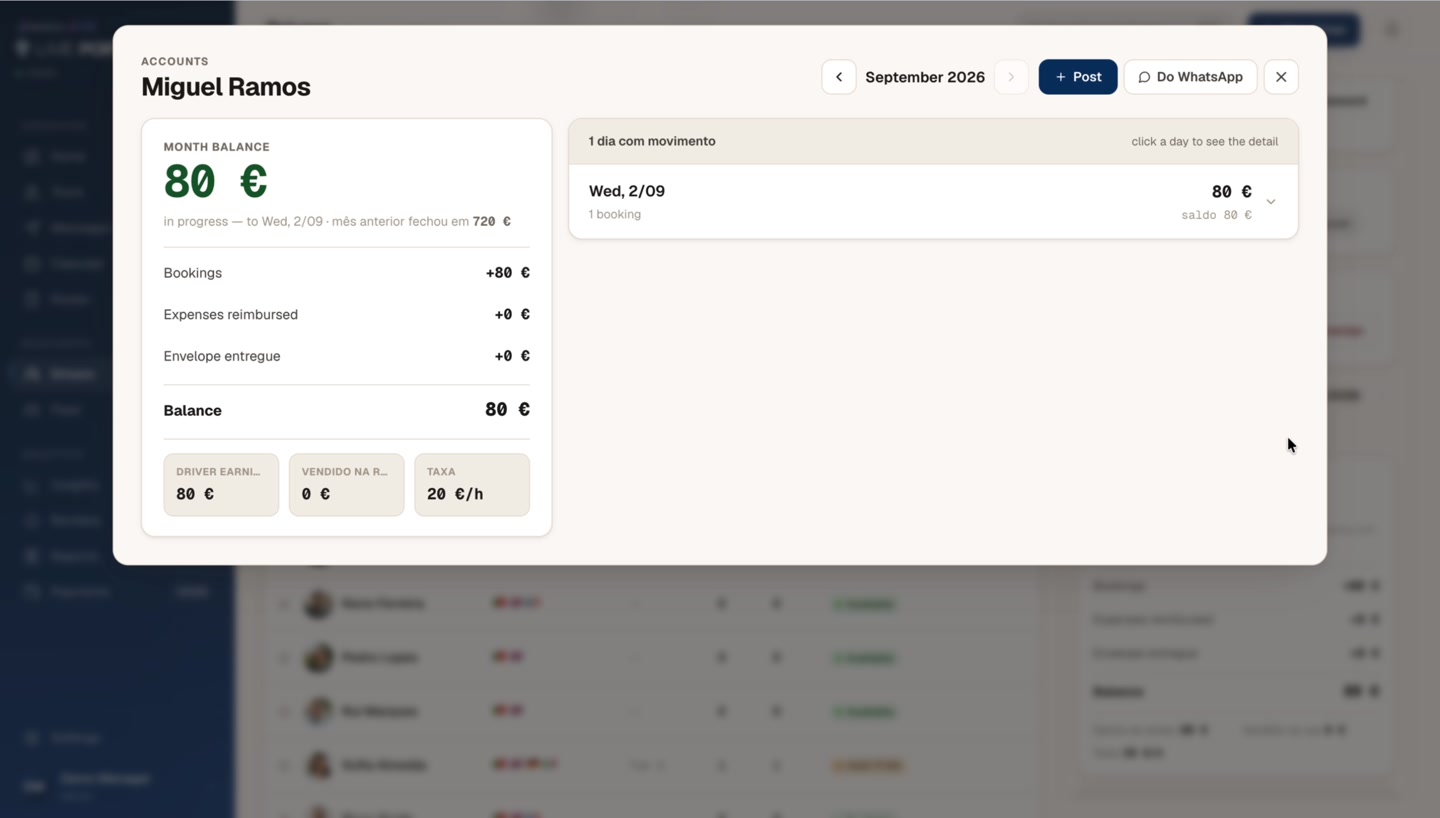
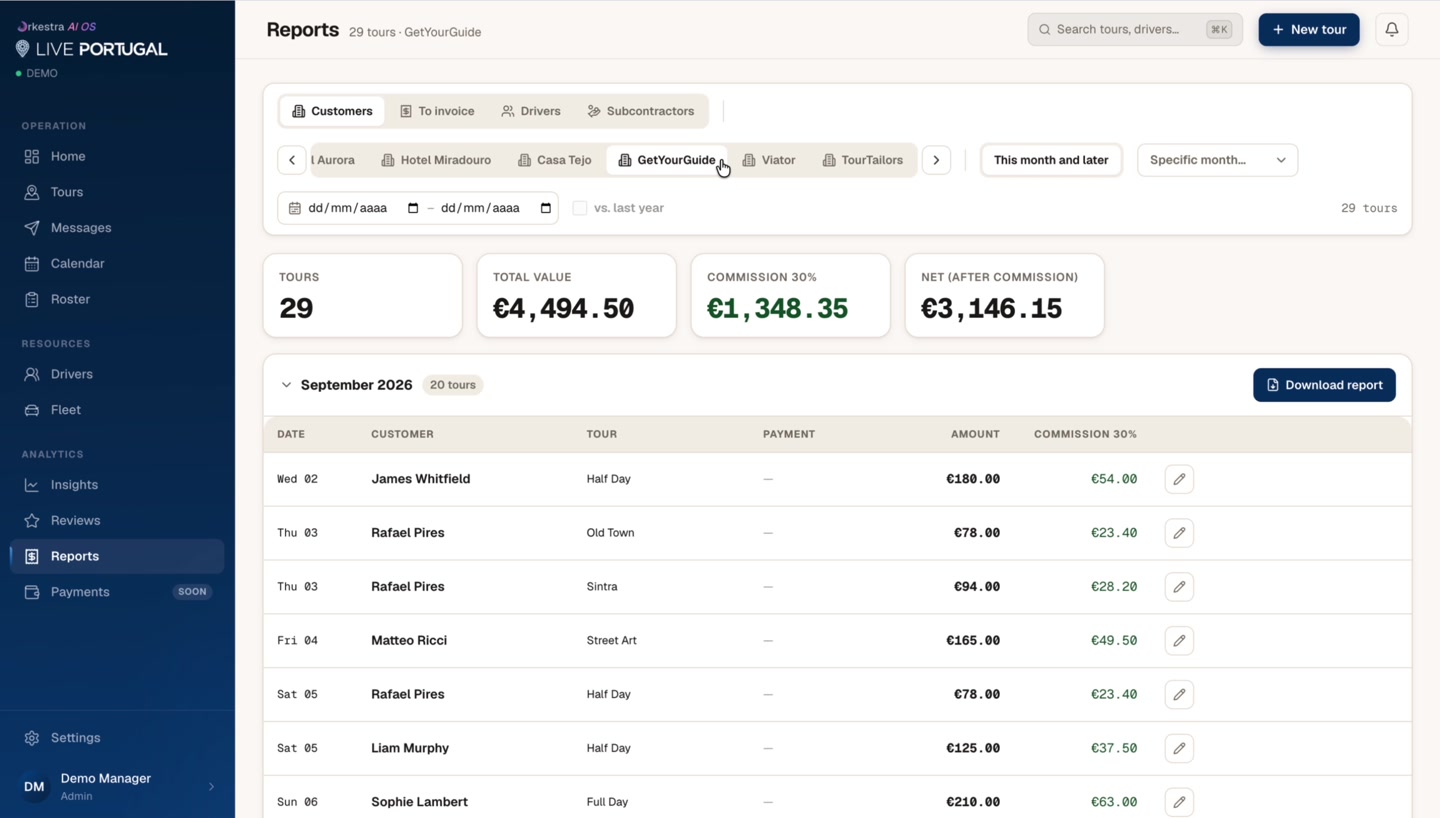
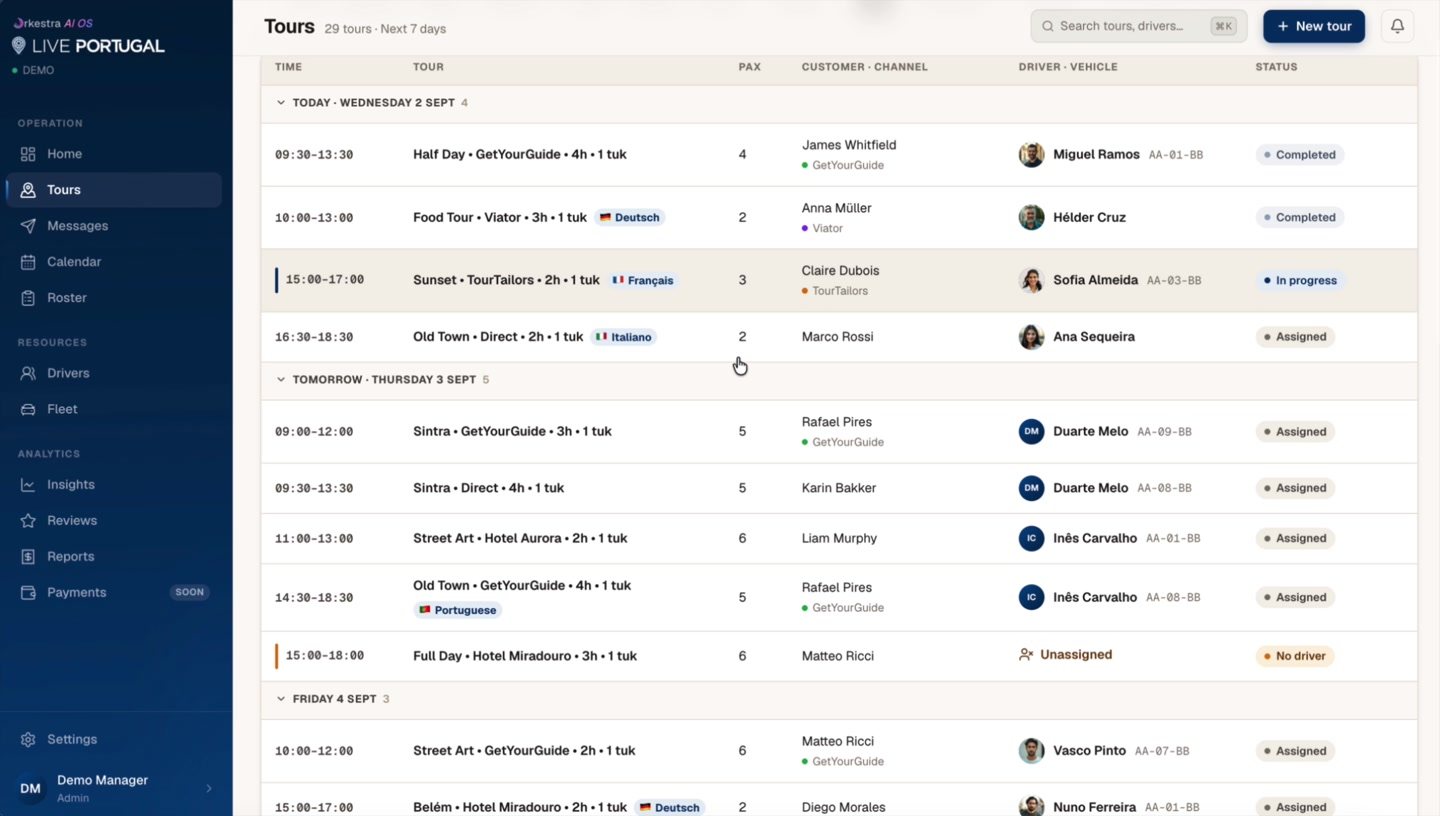
Then Lisbon. Three years guiding tuk-tuk tours while quietly building Orkestra. Today, it runs live systems for a Lisbon tour operator — a WhatsApp conversational agent, and an operations cockpit that unifies calendar, fleet, drivers, and finance into a single instrument. Orchestration again — harmony in an operation instead of a score.
The turning point came while I was earning my n8n certifications. Vibe coding arrived — Claude Code above all — and my mind detonated. The interface to building software was now natural language: the exact craft I'd spent twenty years sharpening, for music, sales, and intellectual development, had now become the most leveraged skill. The supporting act was now the headline.
So I founded Orkestra Systems — the operational arm that unites the stack (n8n, Claude API, Supabase, WhatsApp, Google Workspace) with a writing method applied to prompt engineering. The name is the thesis: orchestration — independent parts conducted into one working whole.
I work in three layers, always together. Design — I diagnose where agentic AI belongs in your operation, and where it doesn't. Build — I architect and implement the systems. Embed — I stay, I train your team, and I own the outcome long after deployment.
I treat your operation as if I owned it — not because I do, but because I can't rest while something is dissonant.
I won't call it done until it runs like music.